The sky & the Moon
What Was the Moon Phase on My Birthday?
Start with your birth year and local time, then check the phase and orientation before making a personal Moon poster.
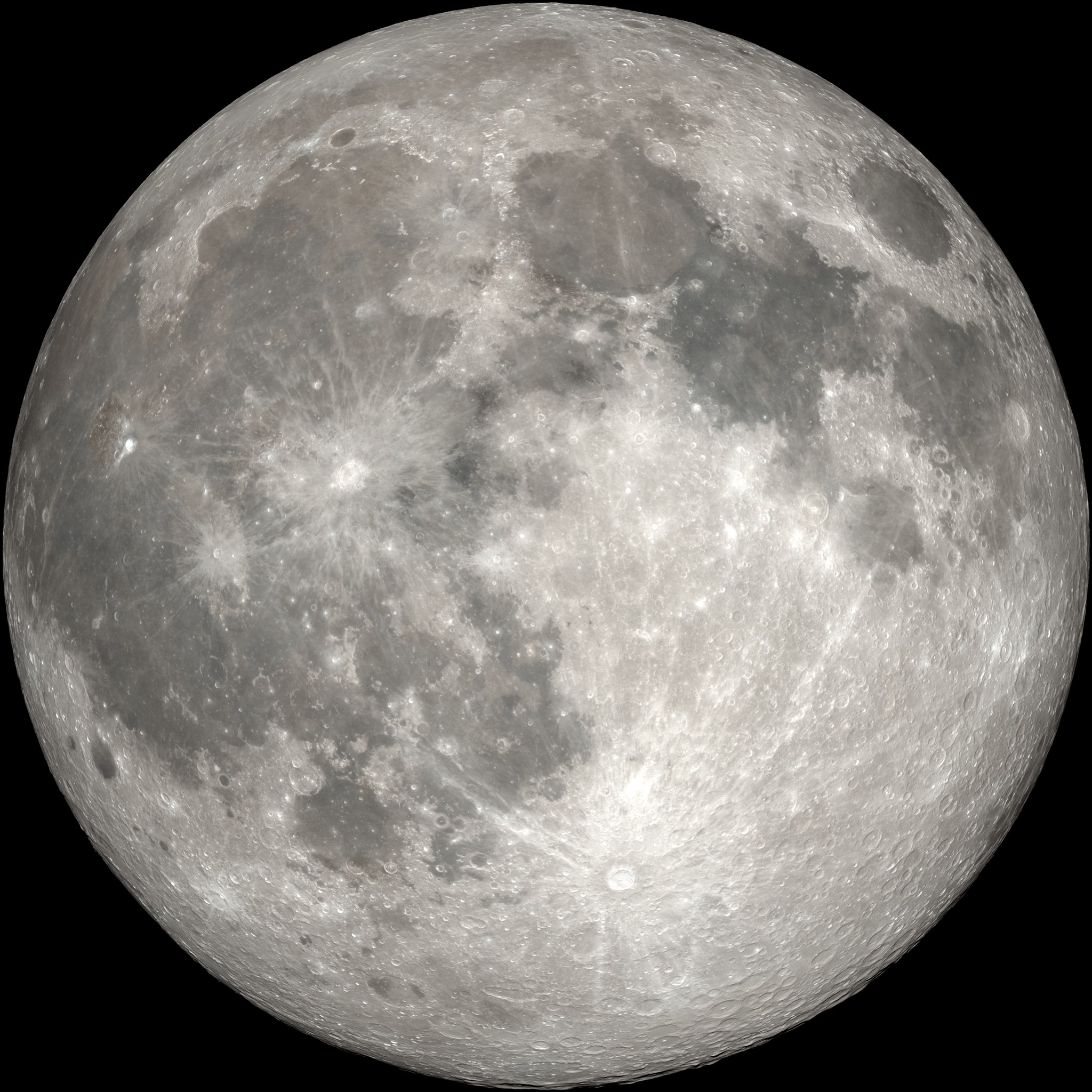
To find the Moon phase when you were born, use your full date of birth, including the year. Add the local time and the correct time zone for that place and date if you want to represent your birth moment. Entering this year's birthday would describe a different moment.
Get the date, time and place right
Before choosing an image, check three things:
- Date: confirm the day, month and birth year, particularly when copying a date from a form that uses a different order.
- Time: use the local time recorded at birth if it is available. Take care with AM and PM when switching to a 24-hour clock.
- Place: choose the birth location, then review the time zone or UTC offset for the selected date. Check whether daylight saving time applied then.
An unknown birth time does not prevent you from making a thoughtful keepsake. Choose an approximate time and be clear about that choice. Avoid describing it as the exact Moon at birth. Close to a phase boundary, a different time may change both the illuminated fraction and the phase label.
What the phase tells you
Moonlight is reflected sunlight. As the Moon travels around Earth, we see different amounts of its illuminated side. Earth's shadow does not produce the ordinary monthly phases. NASA's guide to Moon phases explains this changing view.
Waxing describes increasing illumination; waning describes decreasing illumination. A quarter Moon appears half lit. The US Naval Observatory's phase guide separates these names from the percentage illuminated. Looking almost full does not mean the precise full-Moon instant has occurred.
Compare calendars carefully
The USNO primary-phase calendar records new Moon, first quarter, full Moon and last quarter as events in Universal Time. Check the corresponding local date and time before comparing it with a birthday. The calendar does not provide a separate phase event for every date.
USNO's one-day Sun and Moon service provides another useful reference, but its lunar phase and illumination are for local noon in the chosen time zone. They are not calculated for your birth time. Read its notes on historical time zones and daylight saving before comparing results.
Atlas shows a broad phase name alongside a calculated illumination percentage. The name describes a region of the cycle; it does not certify that the selected minute coincided with an exact primary-phase event.
A different tilt does not mean a different phase
The Moon's phase is essentially the same worldwide at a given instant. Its apparent orientation depends on where it is viewed from, as NASA explains. Check orientation separately when comparing a poster with a familiar view of the crescent.
Personalise the Moon in Atlas Studio
- Open the existing Moon poster editor.
- Set the date, local time and place. Review the time-zone information and correct an estimated or manually selected offset if required.
- Check the phase, illumination and Moon age in the Moon details. Moon age is time since new Moon, not the recipient's age.
- Choose the orientation: as seen from the selected place, north up or south up.
- Add the recipient's name or a short message, then choose the colours and overall style. Decorative glow and colour choices leave the calculated phase unchanged.
This is a designed representation of a chosen moment, not a photograph taken at the birth or a record of the weather. Review the date and wording in the preview before saving.
Explore the Moon phase poster or browse birthday gifts. Atlas provides digital files, with printing and framing arranged separately. Follow the printing guide when you are ready to make a physical print.