The sky & the Moon
What Was the Moon Phase on My Birthday?
Your birth year and local time matter. Here is how to check the phase, understand what you see, and turn the moment into a Moon poster.
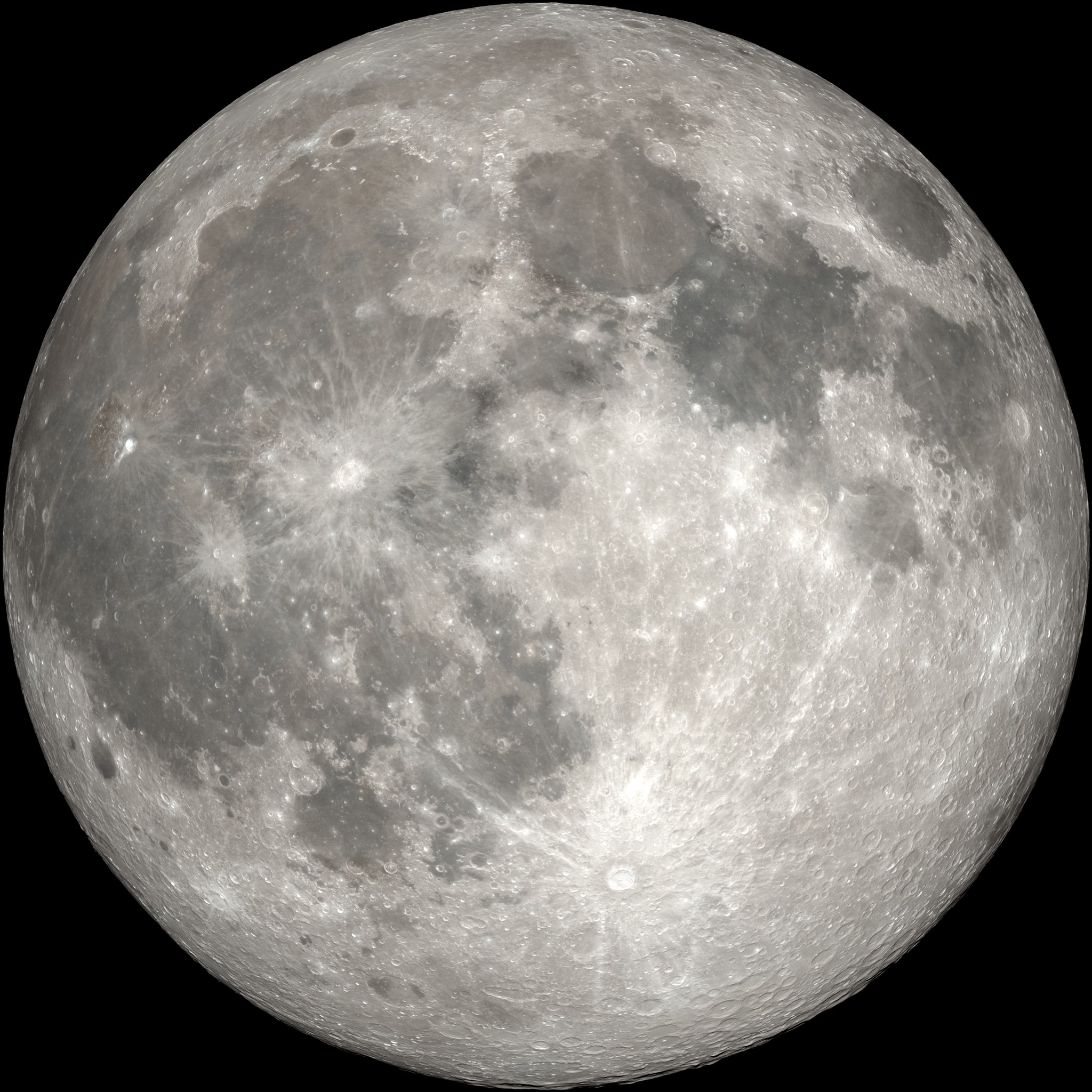
To find the Moon phase when you were born, start with your full birth date, including the year. For a result tied to your birth moment, also use the local time and the correct time zone for that place and date. The date of your next birthday answers a different question.
Start with the right moment
Gather these details before choosing a lunar image:
- Date: check the day, month, and year rather than entering only your birthday month and day.
- Time: use the local clock time recorded at birth, if you know it. Check AM and PM when converting a 12-hour time.
- Place: select the birth location and check the time zone or UTC offset shown for that date, including daylight saving time where applicable.
If the birth time is unknown, choose a clearly acknowledged approximation. You can still make a meaningful keepsake, but avoid presenting an assumed time as an exact birth moment. Near a phase boundary, changing the time can change the phase label as well as the illuminated fraction.
Understand the phase you find
The Moon reflects sunlight. Its phase describes how much of its sunlit side we see as it moves around Earth; the ordinary monthly phases are not caused by Earth's shadow. NASA's Moon phase guide explains the cycle.
Waxing means the illuminated portion is growing; waning means it is shrinking. A quarter Moon looks half lit. The U.S. Naval Observatory's explanation distinguishes phase names from the percentage illuminated. An exact full-Moon event and an image that looks almost full are not the same thing.
Why two calendars may give different answers
First check what each result represents. The USNO primary-phase calendar lists the instants of new Moon, first quarter, full Moon, and last quarter in Universal Time. Convert to your local time before comparing the calendar date. It does not assign an event to every day.
For a daily comparison, USNO also provides Sun and Moon data for one day. Its phase and illumination are calculated for noon in the selected time zone, not your birth time. Its notes explain the time-zone and daylight-saving limitations. Compare like with like before deciding that a result is wrong.
Atlas uses broad phase labels alongside a calculated illumination percentage. A label is useful for reading the design, but it is not a claim that your selected minute was the precise astronomical phase event.
Separate phase from orientation
At the same instant, the phase is essentially the same across Earth, while the Moon's apparent tilt can differ with the observer's location. NASA explains this distinction. A crescent turned a different way is not necessarily a different phase.
Create the poster in the existing Studio
- Open the Moon poster editor.
- Enter the date and local time, select the place, and review the displayed time-zone information. Correct an estimated or manually selected offset if necessary.
- Read the phase, illumination, and Moon age shown in the Moon details. Moon age means elapsed time since new Moon, not the person's age.
- Choose the orientation: as seen from the selected place, north up, or south up. Review this separately from the phase.
- Add a name or message and choose the visual style. Decorative colors and glow do not change the calculated phase.
The result is a designed representation of the chosen moment, not a photograph taken at your birth or a record of local clouds and visibility. Check the date and spelling in the preview before saving.
See the Moon phase poster for the product details, or explore birthday gift ideas for other ways to mark the date. Atlas supplies digital files; printing and framing are arranged separately. The printing guide covers the next steps.